Bending the Curve for Biodiversity
Helping butterflies get to their destination
407 ETR is expanding its partnership with Canadian Wildlife Federation (CWF), committing $2 million over four years to help support the restoration of 35 hectares of land in the GTA to help create and strengthen critical habitat for pollinators, including monarch butterflies and native bees. This next phase builds on a successful flagship initiative focused on enhancing biodiversity along the Highway 407 ETR corridor — land known as ‘rights-of-way’ that plays a meaningful role in supporting pollinators, including monarch butterflies.
CWF’s Rights-of-Way as Habitat Program
The monarch butterfly is an iconic species whose eastern migratory population has seen an 80 per cent decline over the past 25 years. They rely on native plants to fuel during their annual migration between Canada and Mexico. Through this partnership, 407 ETR is supporting large-scale habitat restoration, conservation leadership and community engagement.
Populations of other pollinator species, such as native bees and moths, have also seen declines. We're providing funding to CWF to restore monarch butterfly breeding and migratory habitat along the eastern population’s migratory flyway in rights-of-way (ROW), such as roadsides and utility corridors.
407 ETR’s sponsorship of this program has been a catalyst for this work expanding into the GTA, supporting both on-the-ground restoration and the development of a Community of Practice to share and build knowledge on pollinator habitat restoration over three years.

“The Highway 407 ETR corridor closely aligns with the monarch butterfly migration route. Through our partnership with CWF, we’re not only restoring vital pollinator habitats in municipalities along the corridor — we’re helping build healthier, more resilient ecosystems across the GTA.”
Jose Espinosa, President & CEO, 407 ETR
Project locations supported 2023-2025
Boulevard restoration in Toronto | Roadside meadow in Milton |
Boulevard restoration in Thornhill | Roadside restoration in Keswick |
Crosstown hydro corridor restoration in Burlington | Roadside restoration and mycorrhiza pilot in Georgetown |
Hydro corridor restoration in Bowmanville | Roadside restoration and mycorrhiza pilot in Acton |
Operations depot and roadside restoration in Port Perry | Trailside restoration and mycorrhiza pilot in Nobleton |
Pollinator Pathway expansion in Oakville | Two trailside educational meadows in Keswick |
Pollinator plot in Ajax | Wildflower Way hydro corridor restoration in Milton |
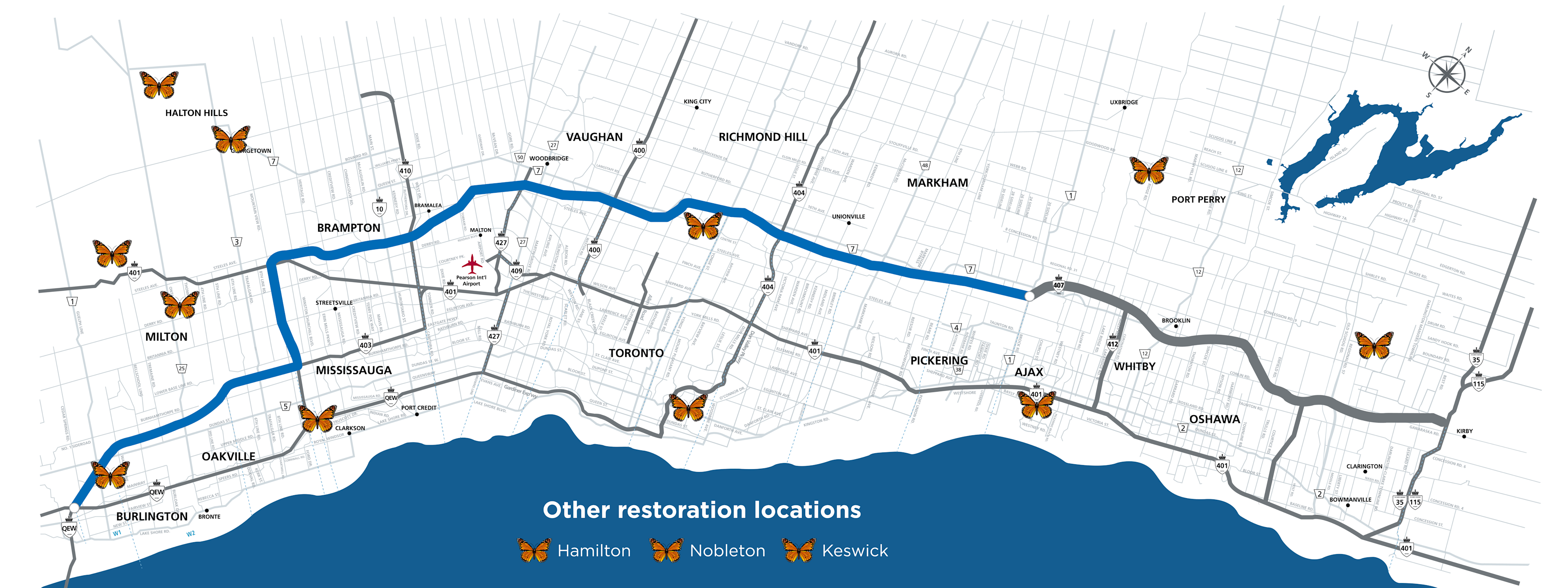
Restoration progress in the GTA
$2.5M
from 2023-2029
26
new ROW locations coming soon
14.75
hectares of habitat restoration completed
Support pollinators with our favourite native species for your garden
Creating a pollinator garden is a great way to enjoy the outdoors and beautify our spaces. Plants native to your region have co-evolved with the wildlife of that area and are often their perfect food! They require less maintenance, are less susceptible to disease and pests, and many can produce colourful blooms.
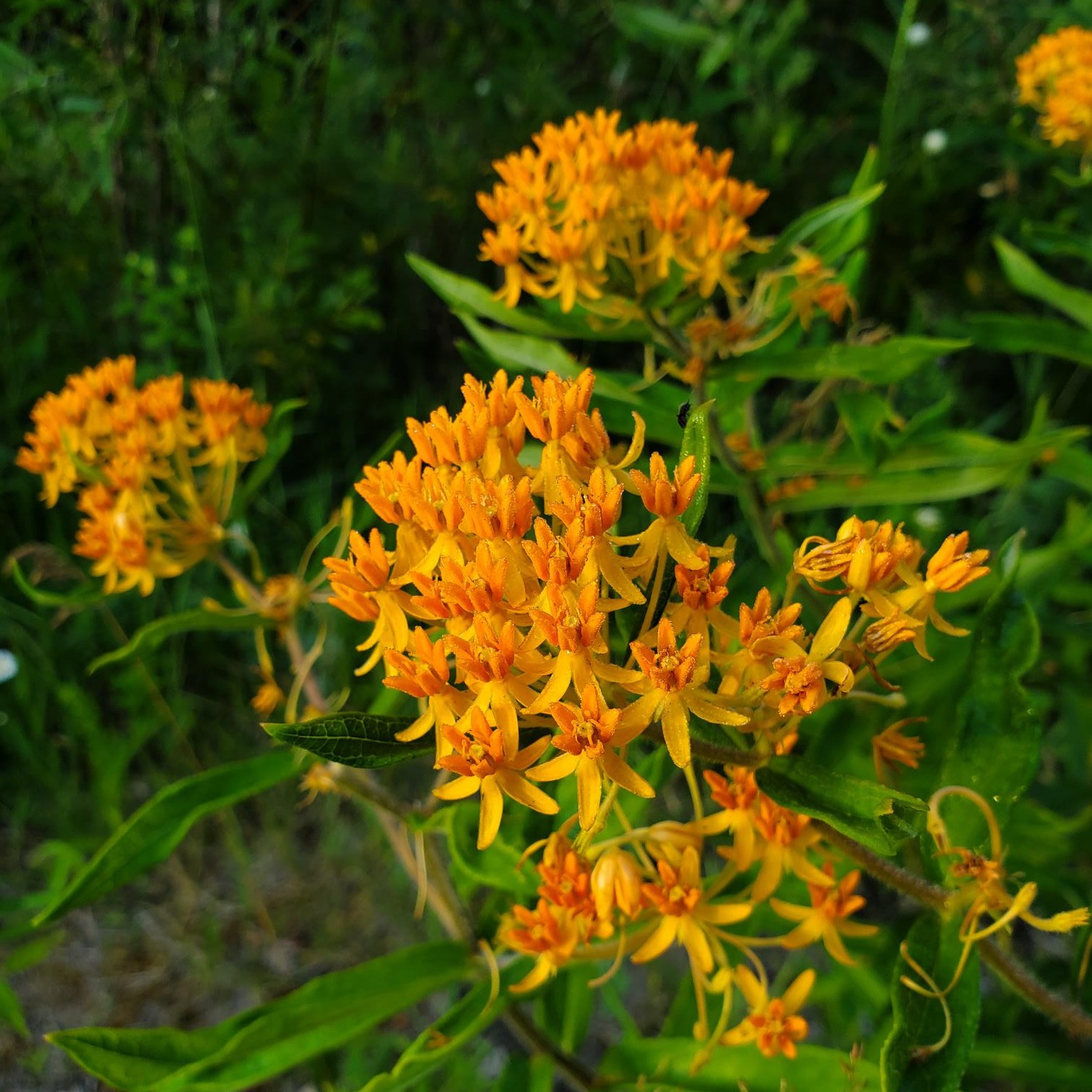
Butterfly Milkweed
Butterfly Milkweed is great for full-sun, dry areas with well-draining soil. It's a vital host plant for monarch butterfly caterpillars, and bloom between June and August.
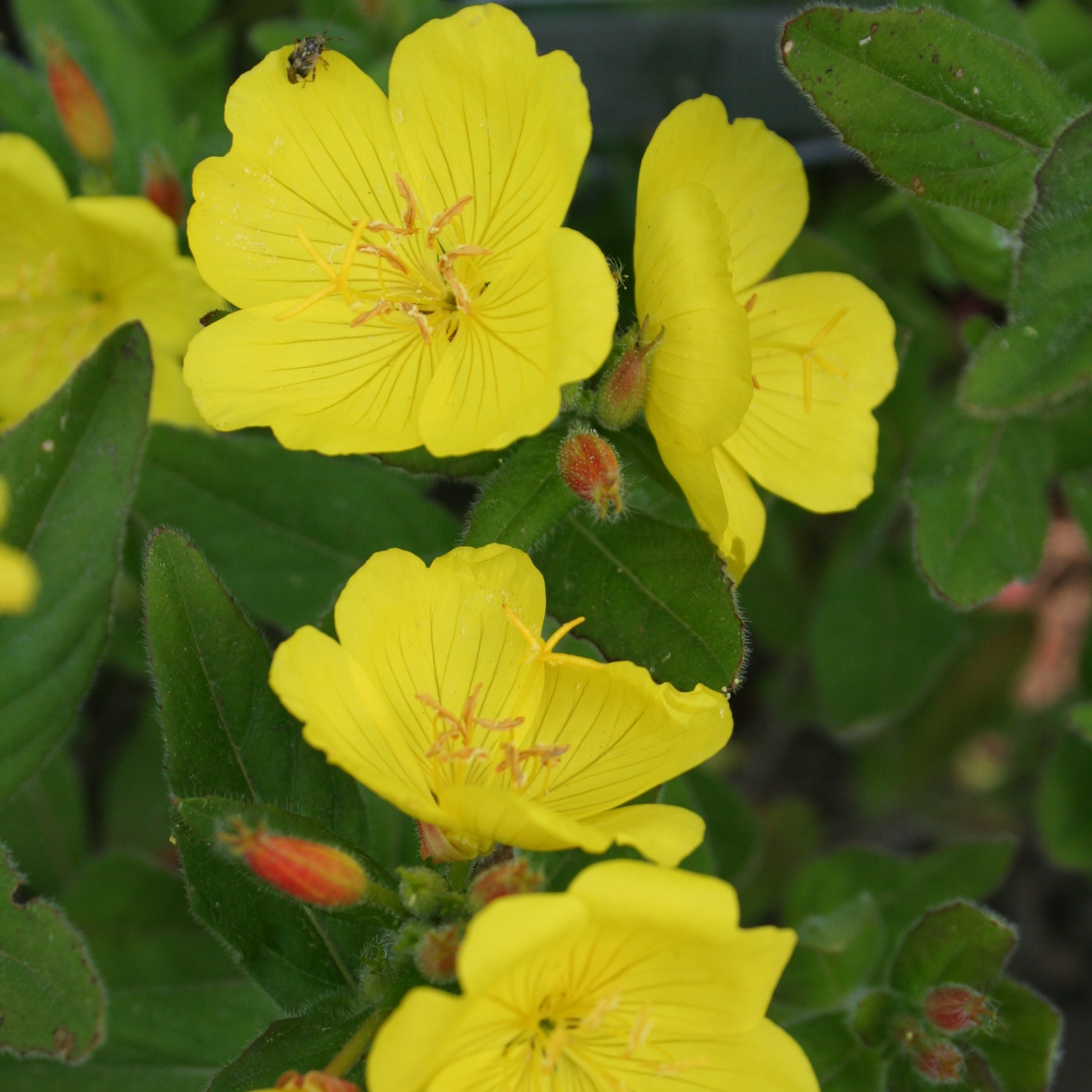
Evening Primrose
Common Evening-primrose blooms from summer into fall. These flowers open in the evening, smell of citrus, and provide an important source of nectar for night-flying pollinators like moths.
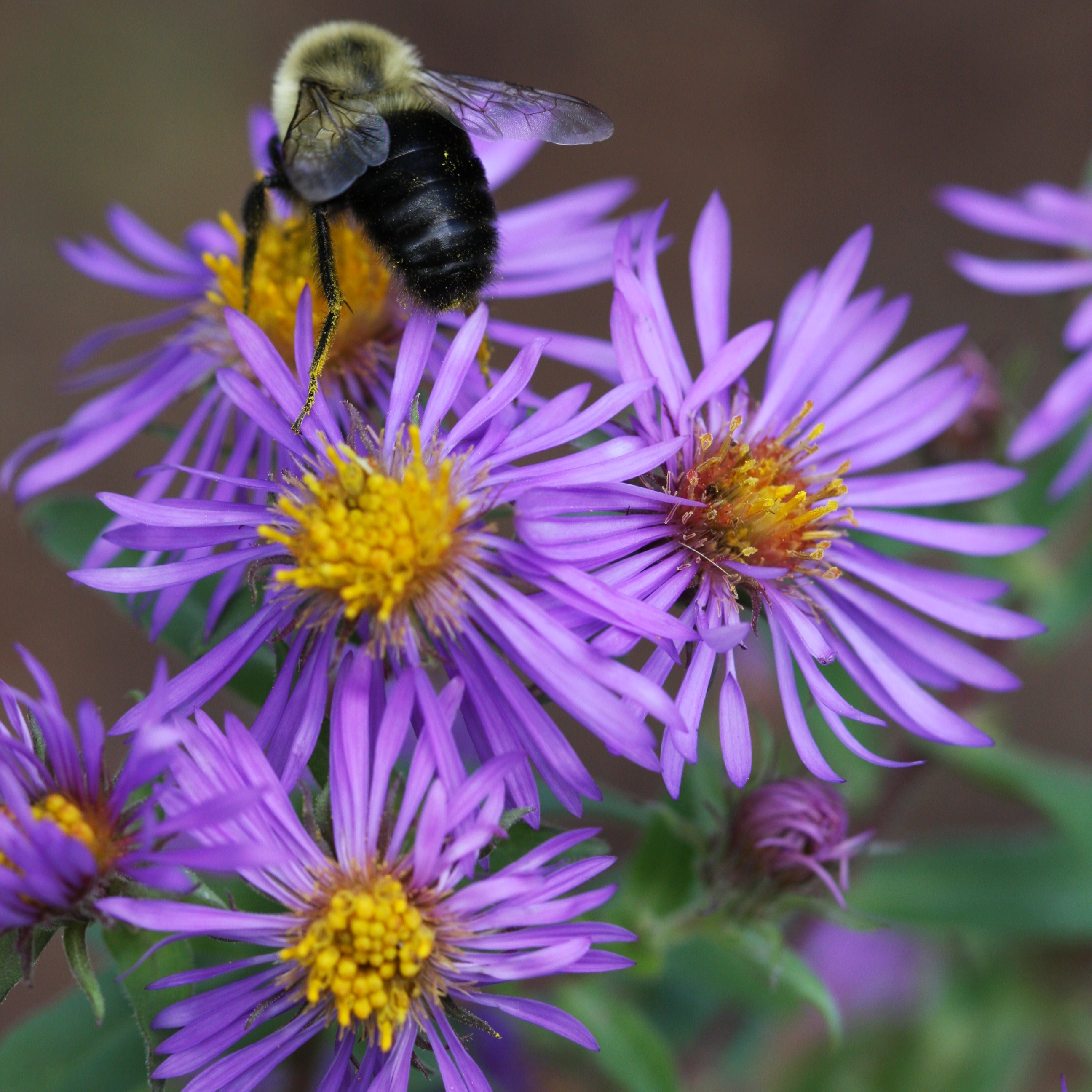
New England Aster
New England Aster blooms anywhere from late summer to late fall, and prefer full sun and dry to moist soil. Nectar and pollen from these plants are an important fall food source for butterflies, moths, bees, and other beneficial insects.
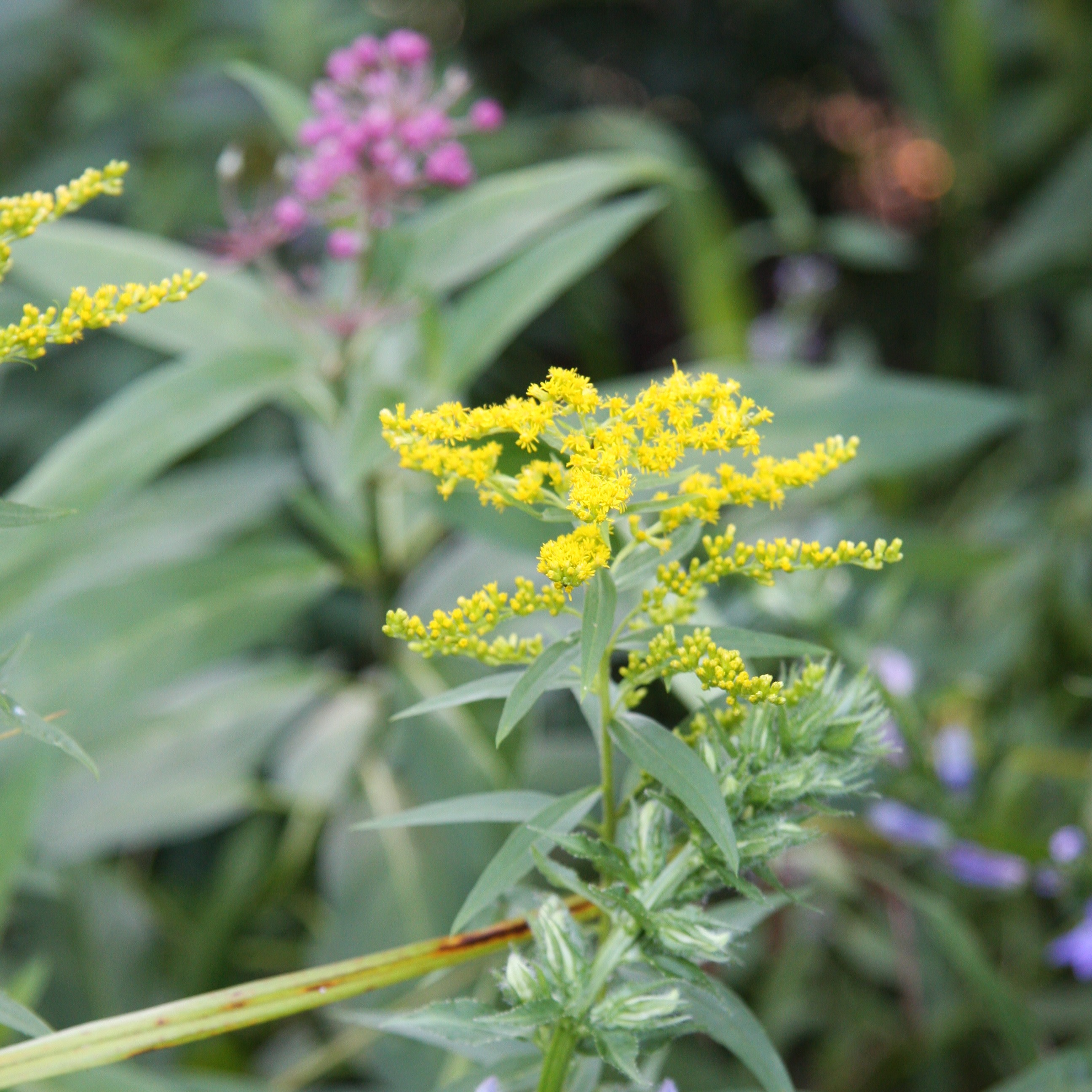
Goldenrod
Goldenrod prefers full sun and blooms in late summer and fall. They support bumble bee queens as they get ready to sleep over the winter, and monarch butterflies migrating south to their wintering grounds in Mexico.
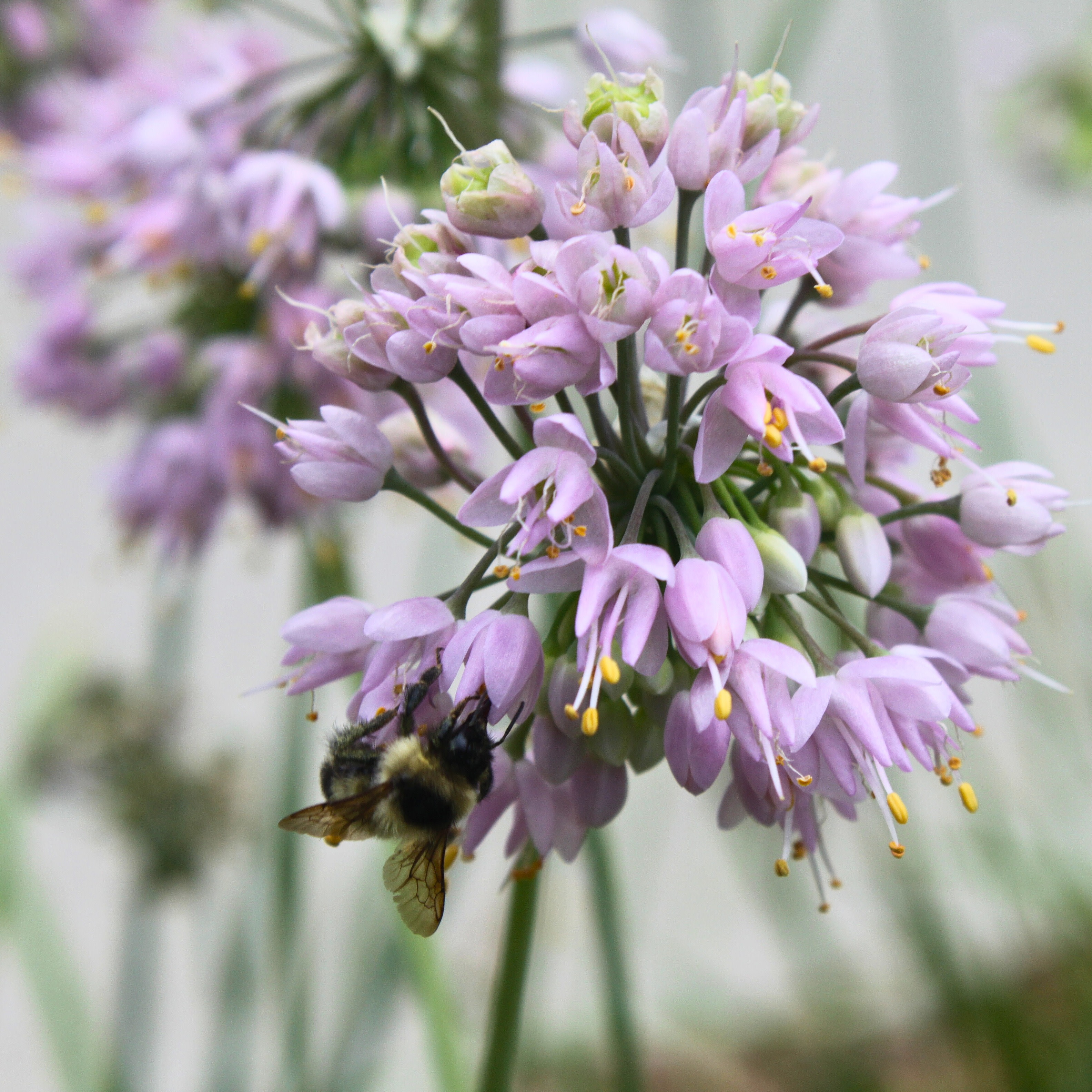
Nodding Onion
Nodding Onion prefers well-drained soil and full sun, and blooms from June to August. They produce nodding clusters of light purple flowers and, just like the onion and garlic you buy in stores, they're edible!
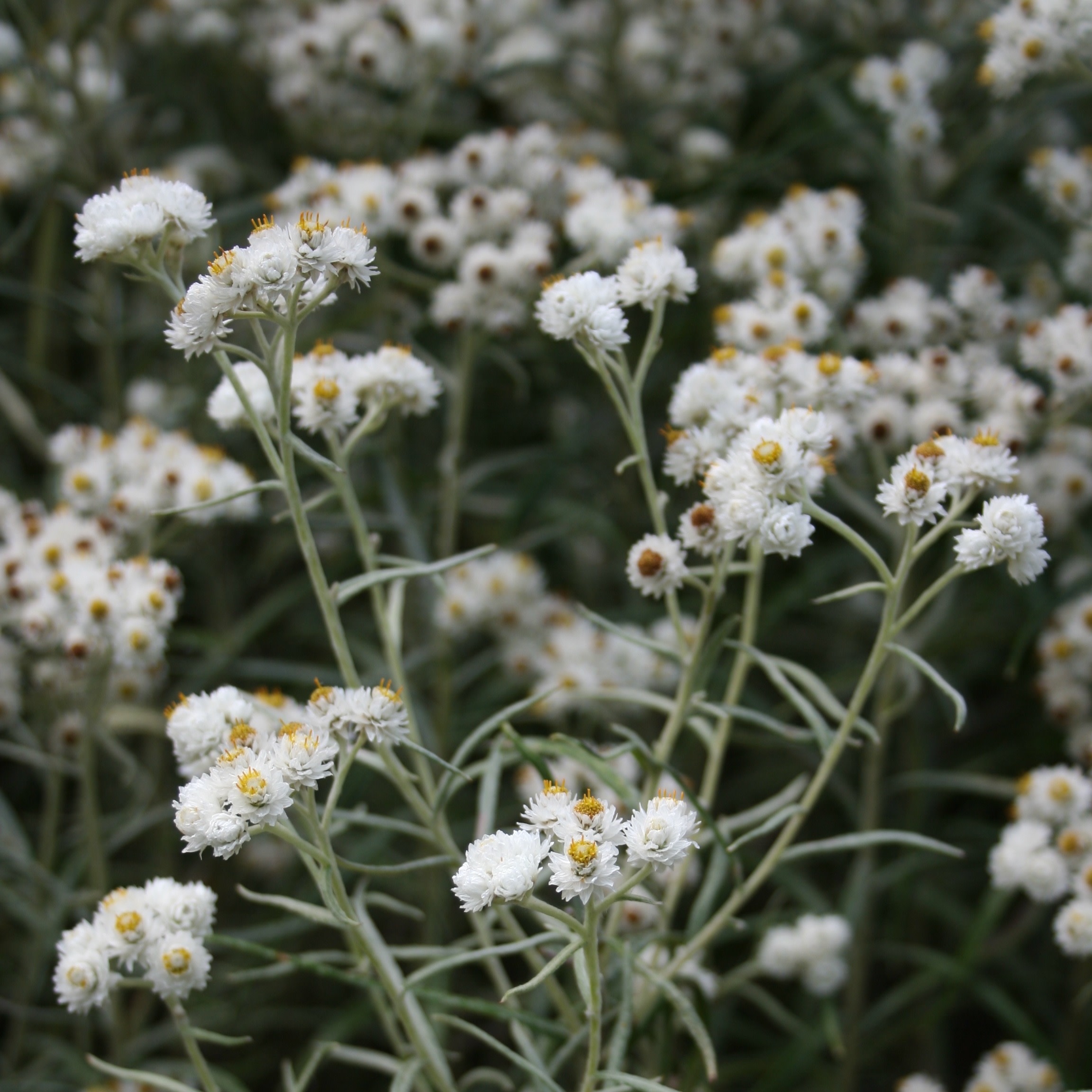
Pearly Everlasting
Pearly Everlasting is a great flower for tough spots, where the soil has been disturbed and is dry and hot. It blooms from June to September and is a host plant for the Painted Lady Butterfly.
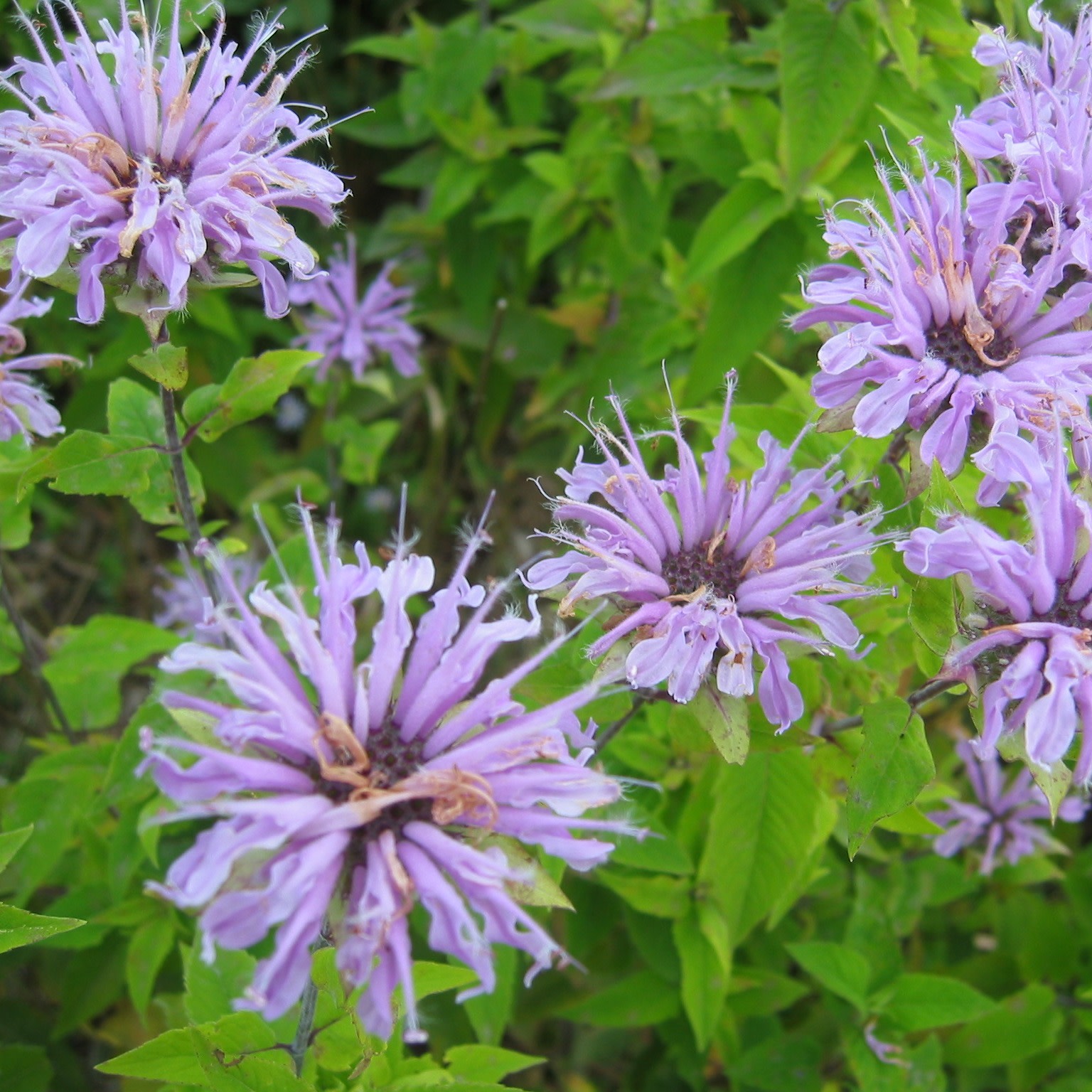
Wild Bergamot
Wild Bergamot are easy to grow and supports diverse pollinators. These flowers can bloom for a long time, from early to mid-summer into the fall. The leaves are edible and great for teas or cooking.
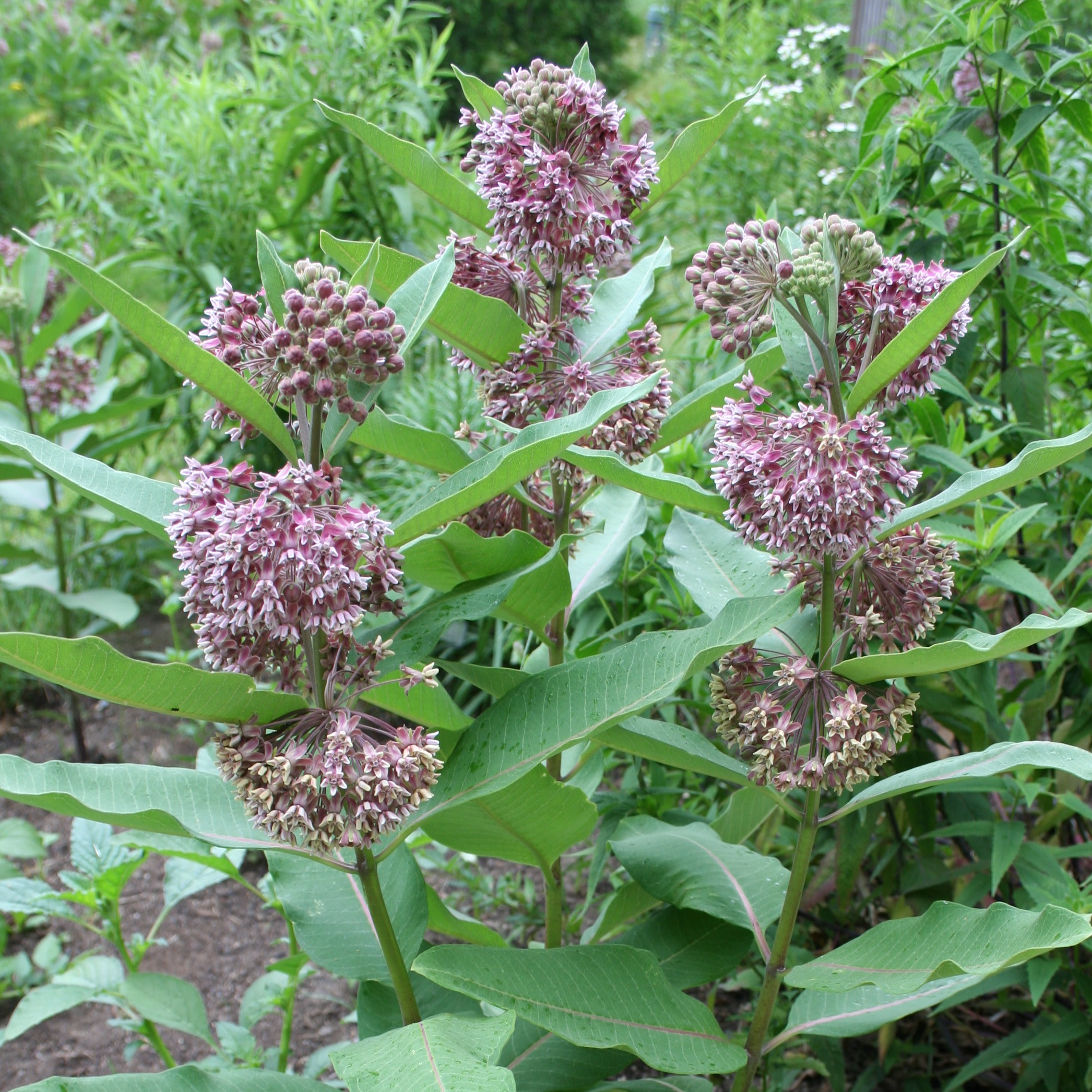
Common Milkweed
Common Milkweed likes full sun and will live in a variety of conditions, from sites that are a little moist to quite dry. They bloom between June and August, and are vital to monarch butterflies.